By the numbers

14 × 3
effect families, each with three styles: 42 presets in five categories
12
stackable post-layers, each with a universal Opacity
4K
export ceiling, plus custom sizes for non-16:9 LED walls
0
pre-rendered video files

Overview
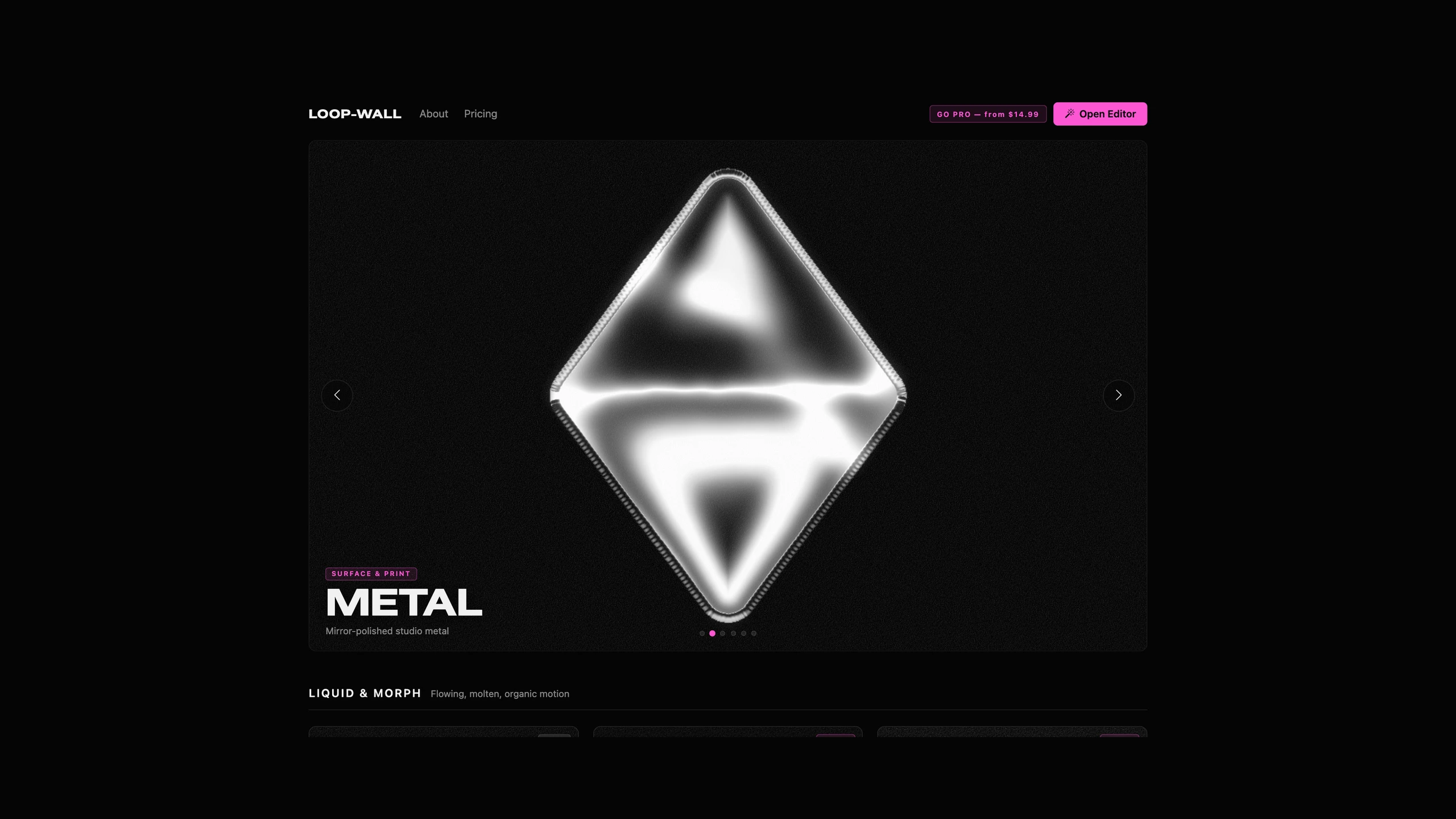
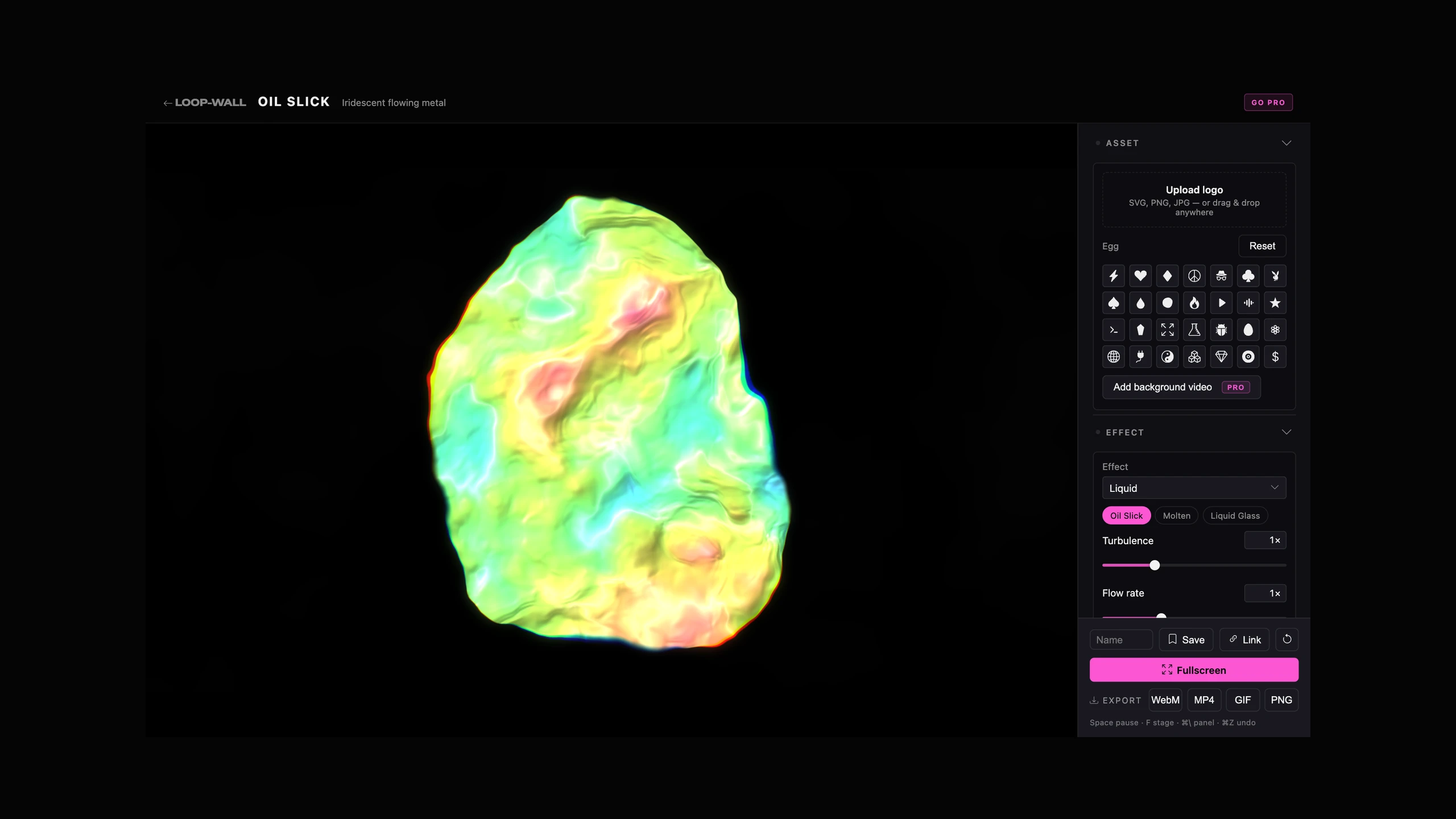
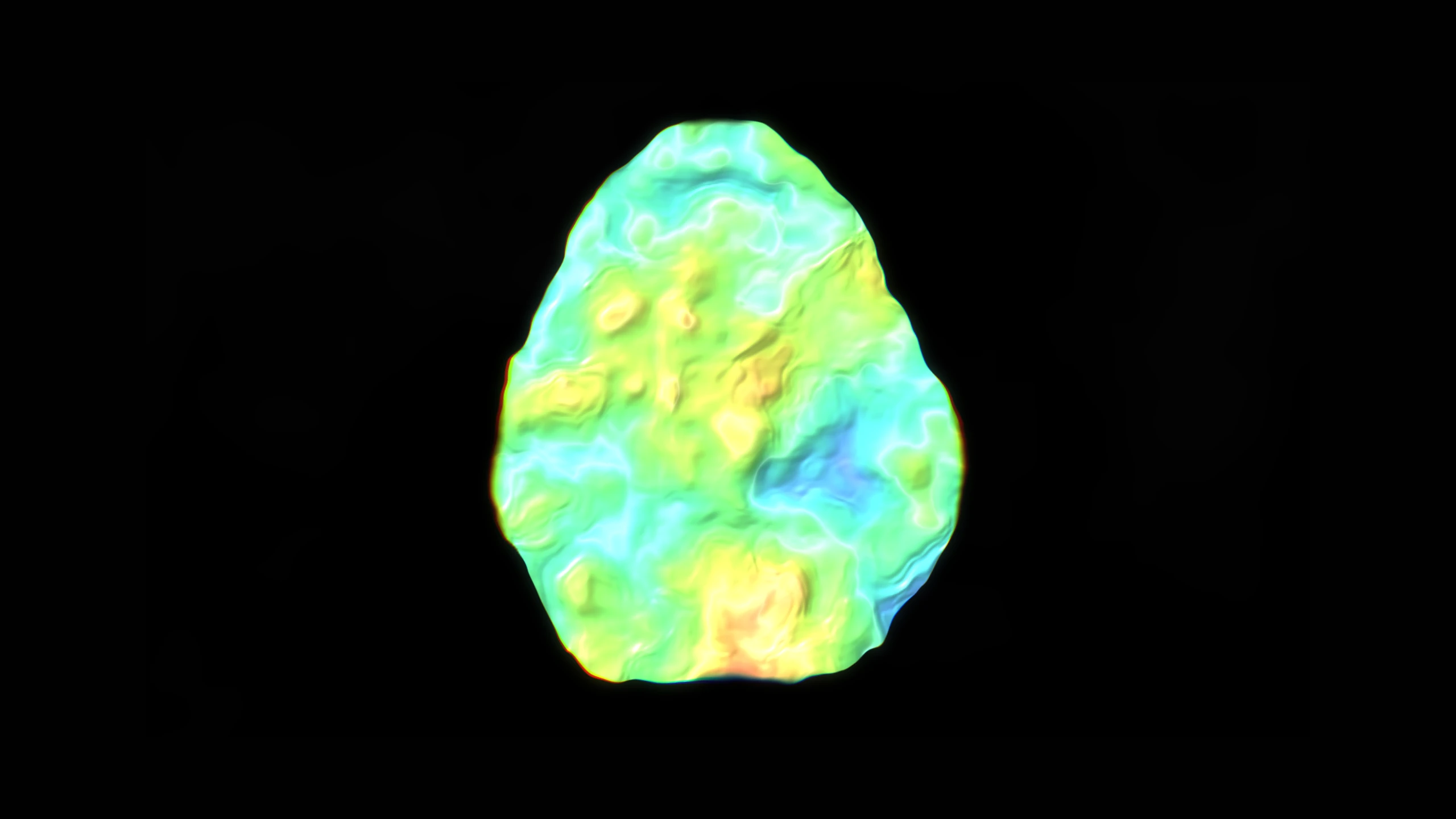
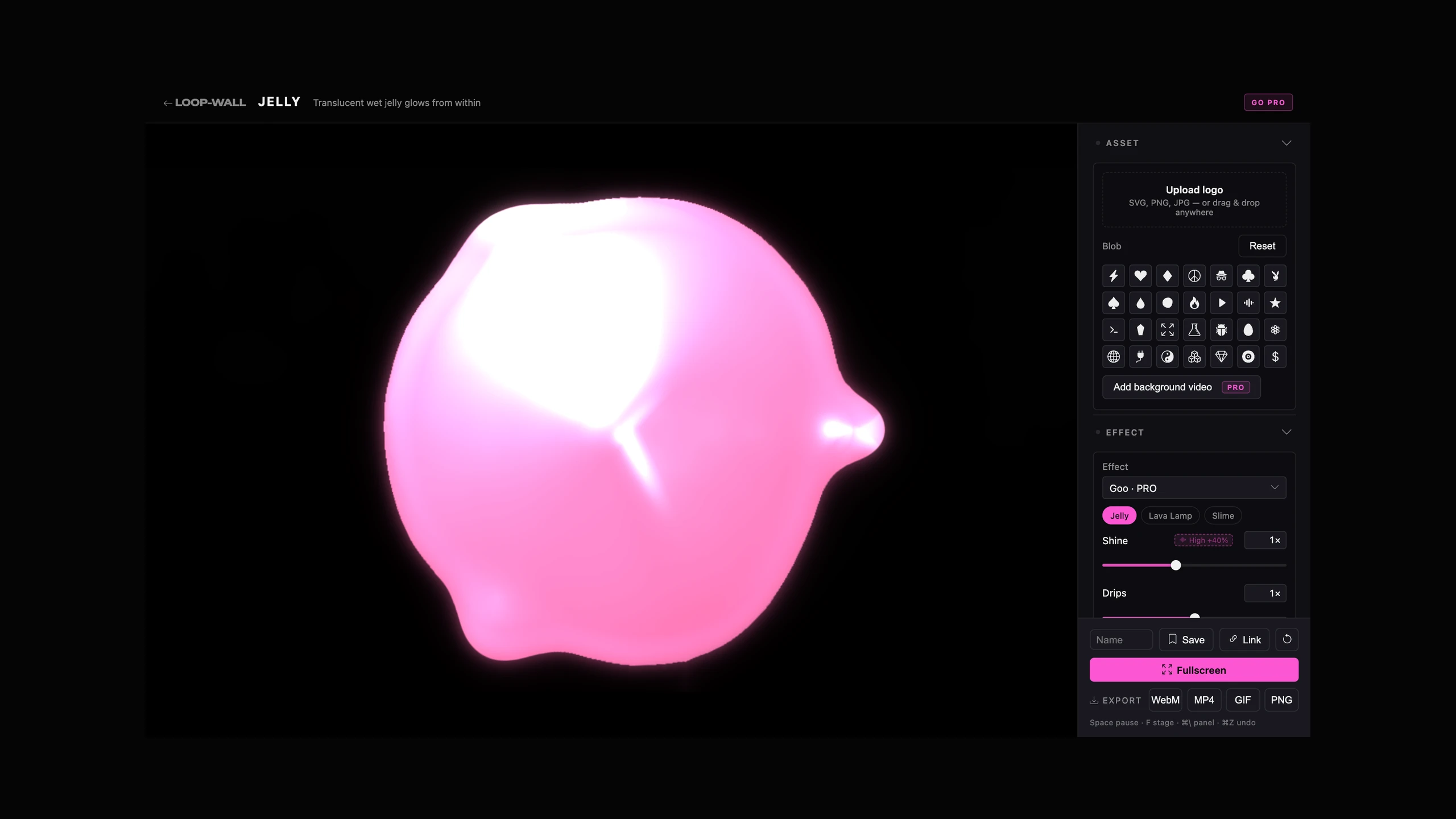
Loop Wall turns a logo into an animated stage visual, in the browser. A user brings a static asset (an SVG, PNG, or JPG logo, and/or a word of text), picks a preset, and the app renders it as a seamless, looping motion graphic through a custom WebGL2 shader engine. The result can be previewed live, played fullscreen on a stage screen, and exported as video, GIF, or a still.
It is built for DJs, VJs, artists, event and venue operators, and anyone who needs a logo to move on a large display without commissioning custom motion work.
Loop Wall began as Stage Graphics, one of the four applications inside the EPK Platform, and shipped as its own product.


14 × 3
effect families, each with three styles: 42 presets in five categories
12
stackable post-layers, each with a universal Opacity
4K
export ceiling, plus custom sizes for non-16:9 LED walls
0
pre-rendered video files
I designed and built the product: the WebGL2 shader engine, the 14 effect families and their 42 styles, the post-layer rack, the signed distance field pipeline for uploaded assets, the three surfaces, the four export paths, audio-reactive and MIDI control, the design system, the freemium model and checkout, and the marketing site. Built solo with an AI-assisted workflow.
Role
Designer and builder
Timeframe
September 2026
Disciplines
Product Design, Interaction Design, Creative Technology
Live on Vercel with both PRO tiers on sale. The core product is complete and monetized; forward work is quality and reach rather than new primitives.
Status
Live
Model
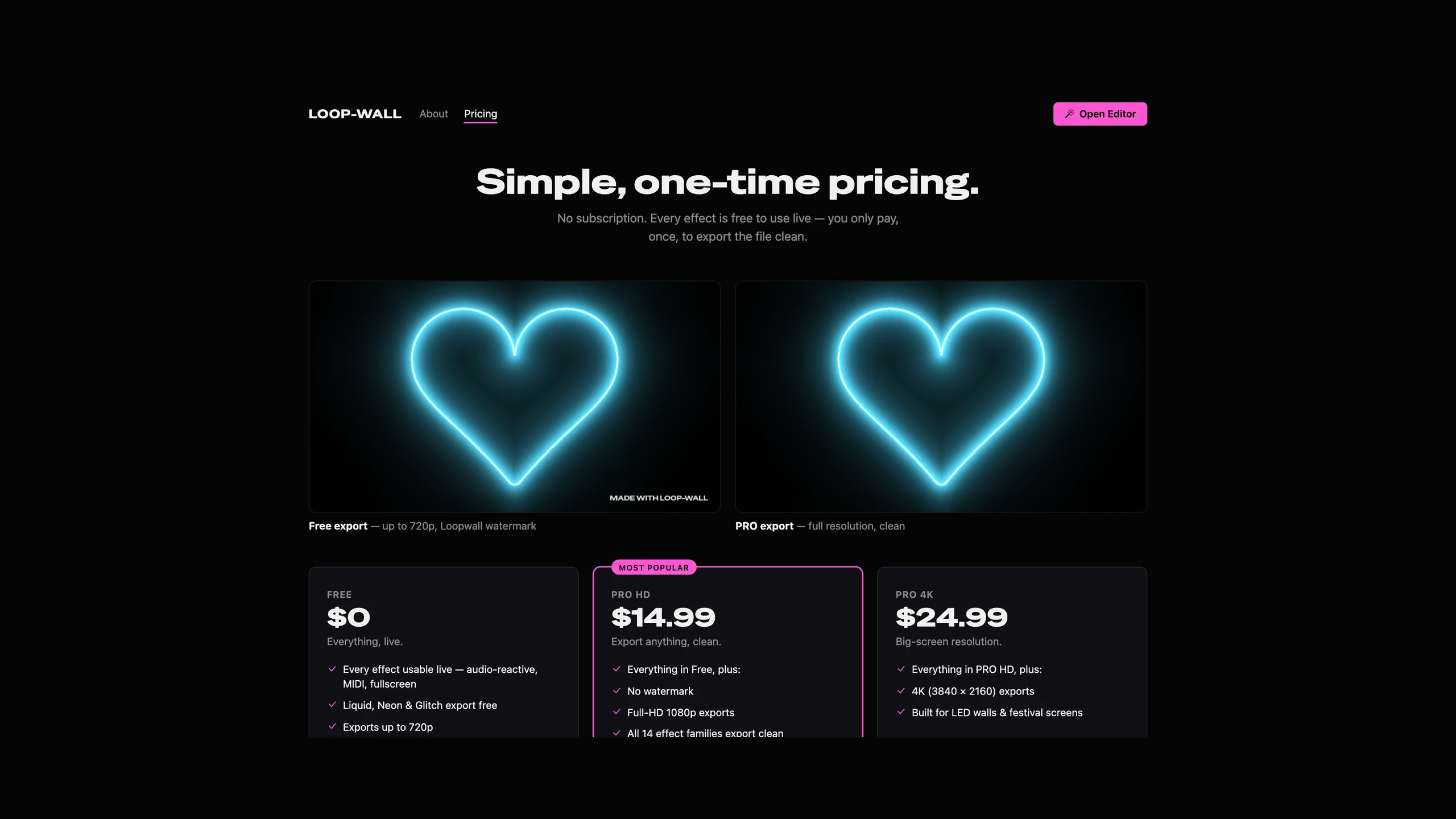
Free to use everything live; export is the paywall. PRO HD $14.99, PRO 4K $24.99, one-time
Platform
Web, static export, raw WebGL2, no backend
Link



Loop Wall is not a video editor. It is a configurable motion-graphics generator: curated, repeatable presets over freeform composition; live browser rendering over an offline render farm; fast experimentation over deep control surfaces.
A logo that moves on a club screen normally means commissioning custom motion work per look. The tools that exist are video editors: timelines, keyframes, render queues. That is the wrong shape for someone who needs one logo animation for Saturday's gig.
Large-screen playback has its own requirements. It has to read at distance, hold framerate, and loop without a visible seam. A DJ or VJ wants fast experimentation across curated looks, not a deep control surface, and needs the result to play fullscreen from a laptop plugged into an LED processor.
Should the library be a flat list of effects, or families that morph? I made every family one effect whose three styles differ only by a Style knob the shader branches on: Goo morphs between Jelly, Lava Lamp, and Slime; Metal between Chrome, Gold, and Holographic. This keeps the gallery legible at about 14 tiles while offering 42 distinct looks, and it is how the library scales: a new look is usually a new style branch, not a new effect. The tradeoff is curation. Styles have to stay on-theme with their parent, so a family audit keeps a metallic look out of the organic Goo family.
Everything is fully usable live on every tier; the paywall is only on taking a clean file home. Free effects (Liquid, Neon, Glitch, ASCII) export watermarked at 720p or below. A PRO license, a one-time unlock through Polar with no subscription, removes the mark and raises the ceiling to HD or 4K. The free tier is the marketing: the watermarked export doubles as word of mouth in the DJ and VJ scene. Per-export pricing matches how the audience buys.
Real-time first: the browser preview is the product; export reproduces it. One config, every surface. Assets are replaceable: effects are never tied to a specific logo. Configuration over duplication. Seamless by construction: loops are guaranteed in the math, not stitched. Stage readability matters. Performance is visual quality: a look that cannot hold framerate is not done.
Sales and usage figures are not claimed here. Client-side unlock is technically bypassable; server-side rendering is reserved as a post-launch quality tier, not launch DRM. Hardware verification of the audio and MIDI paths on real controllers is listed as forward work.